
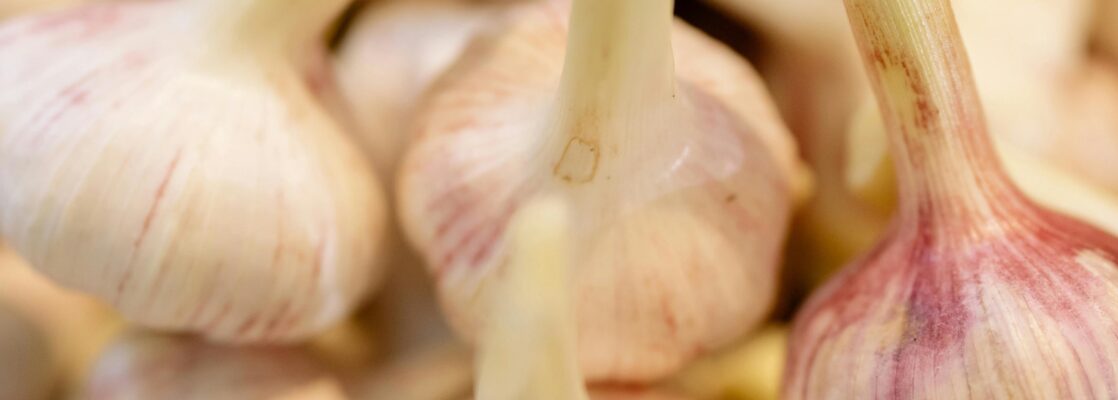
Garlic is a staple ingredient in many cuisines around the world, known not just for its distinctive flavor but also for its numerous health benefits. However, as the demand for garlic grows, it is crucial to understand the environmental impact of garlic farming practices. This post aims to shed light on the sustainability of garlic farming and its implications for the environment.
Garlic is often cultivated using traditional farming methods, which can involve significant use of chemical fertilizers and pesticides. These substances can have detrimental effects on soil health, water quality, and local biodiversity. For instance, excessive fertilizer use can lead to nutrient runoff, which can pollute nearby water bodies and harm aquatic life.

Moreover, the farming of garlic often requires large amounts of water, particularly in regions where water scarcity is an issue. This can lead to competition between agricultural needs and domestic water use, further straining local resources. Sustainable garlic farming practices involve using organic methods, which minimize chemical inputs and use natural fertilizers, thereby reducing the environmental footprint.
Additionally, crop rotation and intercropping can improve soil health and reduce pest populations organically. These practices also promote biodiversity, which is essential for resilient ecosystems. By incorporating sustainable practices, garlic farmers can not only enhance the quality of their produce but also contribute positively to the environment.
Furthermore, consumer awareness and demand for sustainably farmed garlic are vital in driving change. When consumers choose organic or sustainably sourced garlic, they encourage farmers to adopt better practices. Local garlic markets, where farmers sell directly to consumers, can also foster sustainable farming, as they often rely on community support and engagement.
In conclusion, understanding the environmental impact of garlic farming is essential for promoting sustainability in agriculture. By supporting sustainable practices, both farmers and consumers can work together to ensure that garlic remains a beloved ingredient without compromising the health of our planet.



One comment on “The Environmental Impact of Garlic Farming – Understanding the Sustainability of Garlic Farming Practices”
Sarah Johnson
March 3, 2026 at 4:06 amThis is a very insightful article! I had no idea garlic farming could have such a significant environmental impact.
Michael Lee
March 3, 2026 at 9:05 amI appreciate the emphasis on sustainable practices. It’s crucial for all types of farming to consider their environmental footprint.
Emily Carter
March 3, 2026 at 11:12 amGreat read! I will definitely look for organic garlic in my local grocery store now.
David Brown
March 4, 2026 at 5:43 amThanks for sharing this information. It’s important for us to understand where our food comes from and how it’s grown.